Year 6 SATs success: A guide to the KS2 national curriculum tests
At the end of Year 6 children across the UK complete Key Stage 2 (KS2) with the KS2 national curriculum test - also known as the Year 6 SATs.
Not every student takes the Year 6 SATs and there are a variety of circumstances where a Headteacher may decide it’s not required. These can include things like; the child is known to be struggling and / or hasn’t covered the full KS2 national curriculum, or they’re not in a suitable physical or mental state at the time of the exam. In this case the teacher’s assessment will be used and more information will be shared with the child’s parents or care givers.
When do the Year 6 SATs take place and how are they scored?
In 2026, the Year 6 (KS2) SATs will take place from Monday 11 May - Thursday 14 May.
The exams assess each student’s Maths and English (reading, grammar, punctuation and spelling) skills.
Similar to GCSEs, the Year 6 SATs are scored numerically (unlike A-levels which result in alphabetical grades - A, B, C etc).
But, unlike the GCSEs, Year 6 SATs scores take the results from each test and scale them to produce a score between 80-120. This is to help the Department for Education (DfE) accurately compare schools (more on this below).
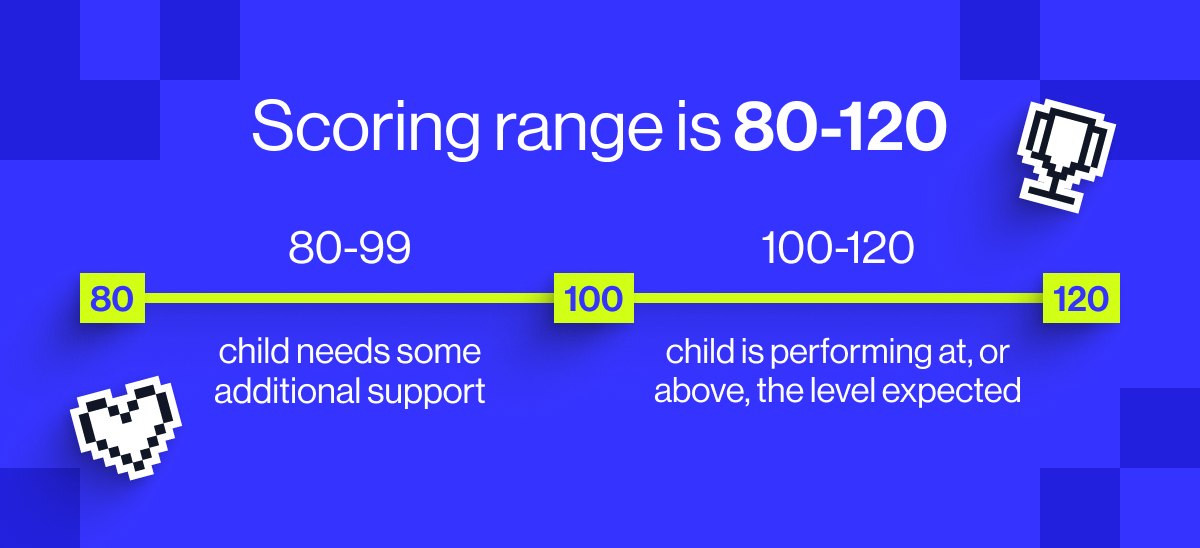
Within the 80-120 scoring range, a score between 80 and 99 suggests that the child needs some additional support. Meanwhile, a score of 100-120 indicates the child is performing at, or above, the level expected.
When and where are Year 6 SATs results published?
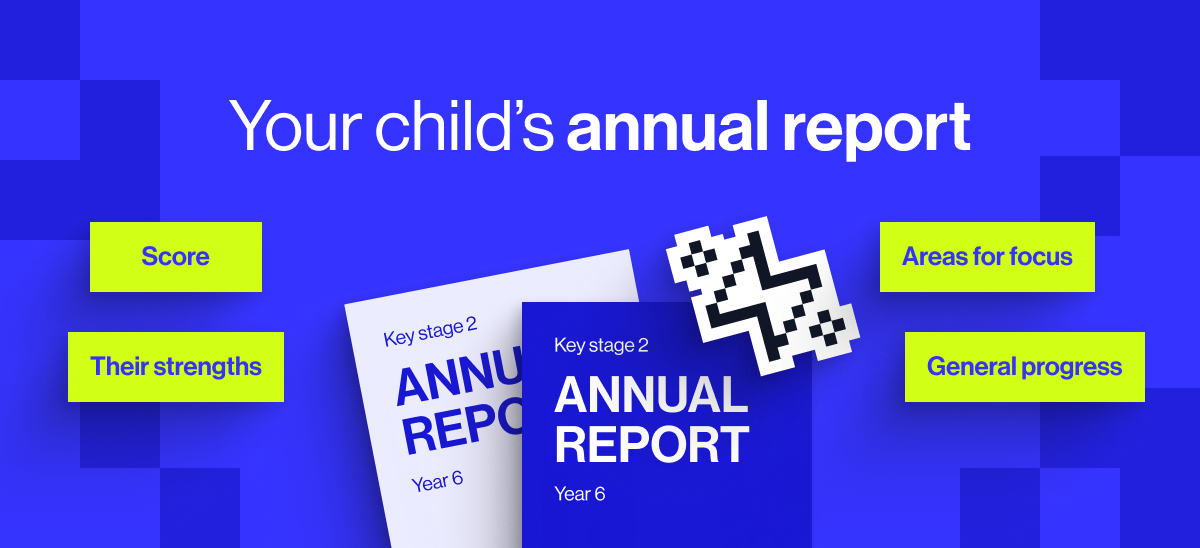
Parents receive their child’s score as part of their annual report, which will also provide detailed feedback on their strengths, areas for focus and general progress through KS2. Taken together, they provide a snapshot of where each student is both individually, and compared to their peers.
 Your child’s result, alongside your child’s teacher's assessment (which covers Maths and English, plus Science), is then used to ensure every child has the basic skills and knowledge as they move from primary into secondary education.
No student results are published publicly, but they are also used by the Department for Education to assess the quality of schools, from which national and regional performance statistics are drawn.