
A complete guide to Year 6: SATs, the 11+ and what to expect
Year 6 marks the culmination of Key Stage 2, and is a big year for exams.
For families hoping to send their children to grammar school, the 11+ arrives at the beginning of September, just as students are settling into the new school year. For most children, preparation for 11+ began early, but for those who want a final push, our expert teachers offer a 3-week 11+ preparation course.
At the end of the academic year, students face the Year 6 SATs - sometimes called the Key Stage 2 SATs.
SATs (Standard Assessment Tests) are national tests every child in a state primary school sits, usually in May. They cover Maths, reading, grammar, punctuation and spelling, while writing and Science are assessed by teachers rather than examined. Results come back as scaled scores, where 100 is the "expected standard", 110 and above is "higher standard", and 120 is the maximum. Schools often use SATs results to place students into ability sets in Year 7, so results matter beyond results day itself.
What children study in Year 6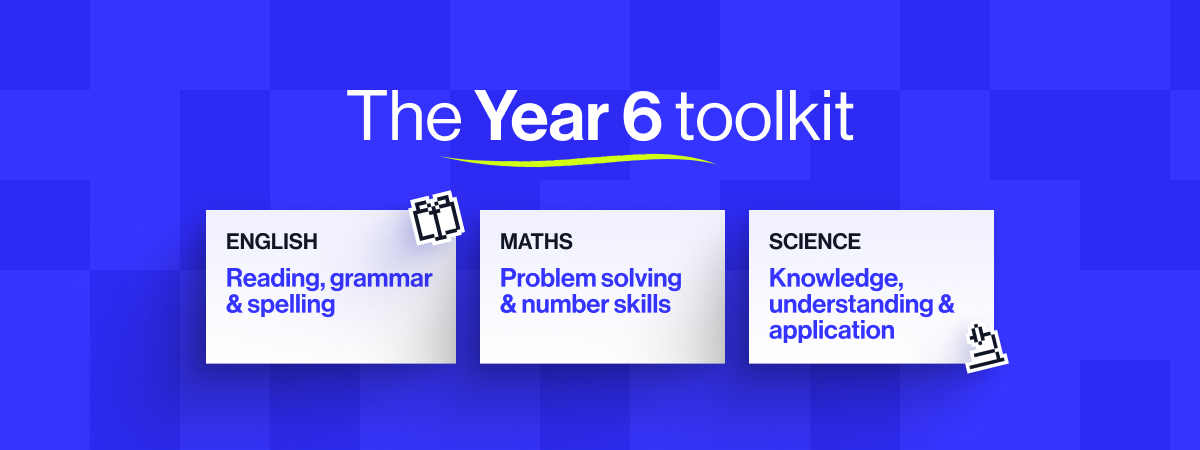
Year 6 marks the culmination of Key Stage 3 and focuses heavily on the core subjects, English Maths, and Science - ahead of those skills being assessed at the end of the year.
It's easy to see Year 6 purely through those end of year exams, because SATs results can influence which sets they’re placed in for Key Stage 3. As such, a strong performance in the Year 6 SATs can help set children up for success later down the track.
For many - but not all - students, Year 6 is also the final year before stepping up into Secondary School. Applications for Secondary School places are submitted in October, with places confirmed the following March.
Ofsted reports
On that note, when considering which Secondary School to apply for, it's worth knowing about Ofsted, the government body that inspects schools in England.
Ofsted reports are free to read online and cover the quality of education, behaviour, leadership and safeguarding. However, it’s important to remember that a report is a snapshot from a visit which could have been undertaken years earlier, so it's worth treating it as one piece of information among several - including how a school feels when you visit and what other parents say - rather than the whole picture.
How you can support your child in Year 6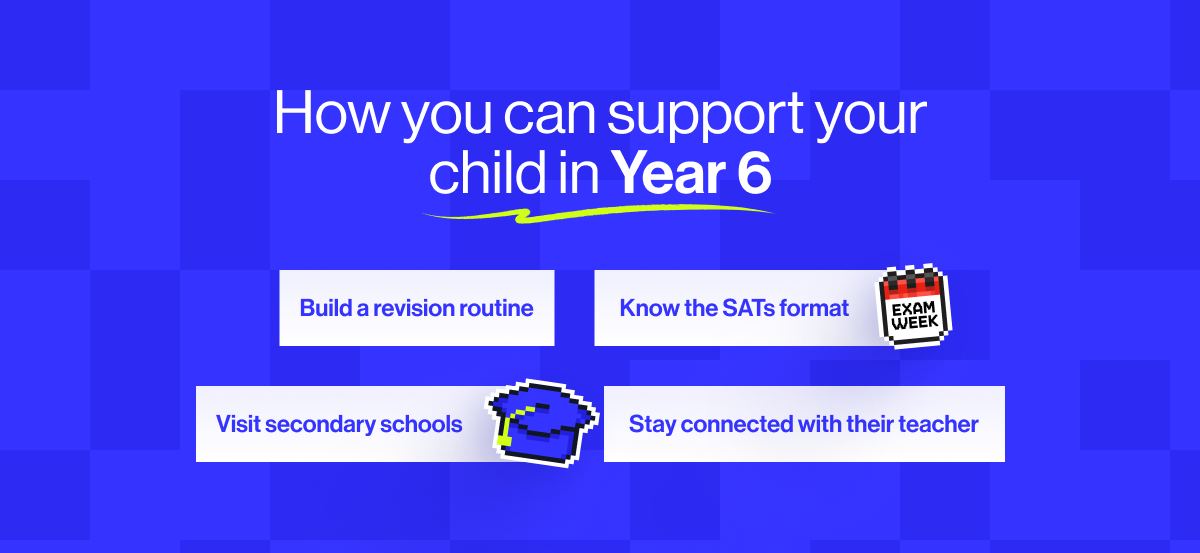
-
Help them set up a simple homework and revision routine early in the year - even 20 or 30 minutes a day can make a massive difference
-
Get familiar with the SATs exam format so you all know what to expect, removing the fear of the unknown
-
Visit prospective secondary schools in person, rather than relying 100% on Ofsted ratings
-
Stay in touch with your child's teacher about how they're getting on, without waiting for parents' evening
Get ahead in Year 6
Year 6 asks a lot of your child in a single year: SATs, possibly the 11+, and often a new school to choose, all while they're still only 10 or 11 - but you don’t have to face it alone.
At MyEdSpace we have a full Year 6 curriculum with live lessons in English, Maths and Science, taught by elite UK teachers - people with a track record of helping children discover a lifelong love of learning.
Importantly, with prices starting from just £45 per month, you can get a full month of support with us, for less than the average private tutor charges for a single hour.