Conditional Probability and the Addition Rule
Neil Trivedi
Teacher

Contents
Conditional Probability
Conditional probability is the probability that an event occurs given that another event has already occurred.
Consider two events and . The probability that event occurs given event occurs is denoted by .
In general, is worked out by this formula.
The formula for conditional probability can be proved using either a tree diagram or a Venn diagram.
Let’s prove the formula for conditional probability using a tree diagram.
Consider two events and . We are interested in finding the probability that event occurs given that event has already occurred.
Since we are conditioning on event , the first set of branches in the tree represents whether occurs or not. Then, the second set of branches represents whether event occurs or not.
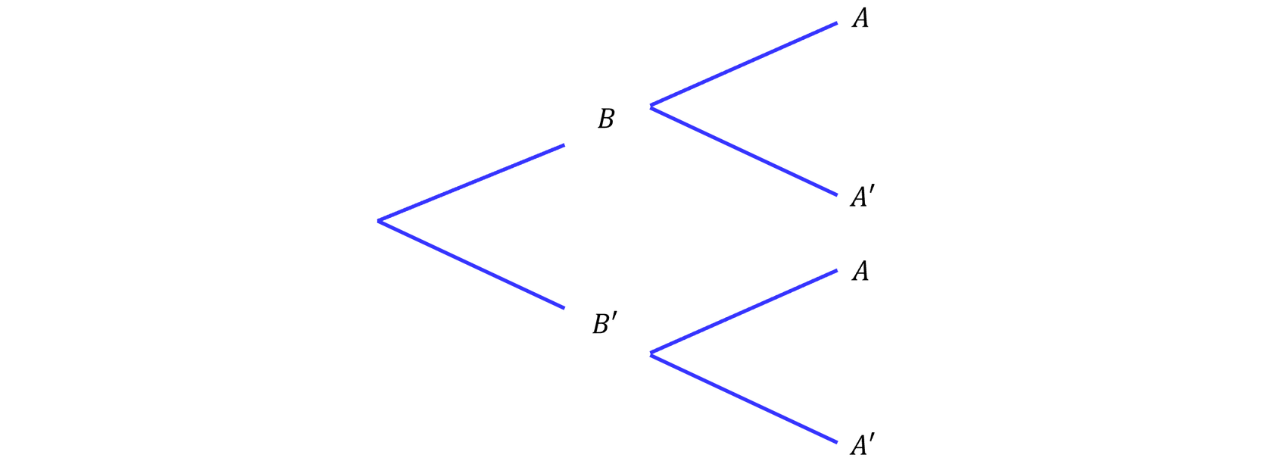
Since has occurred, we follow the branch labelled . We then consider the probability that occurs given that has already occurred, which is denoted by . Therefore, we follow the branch labelled after .
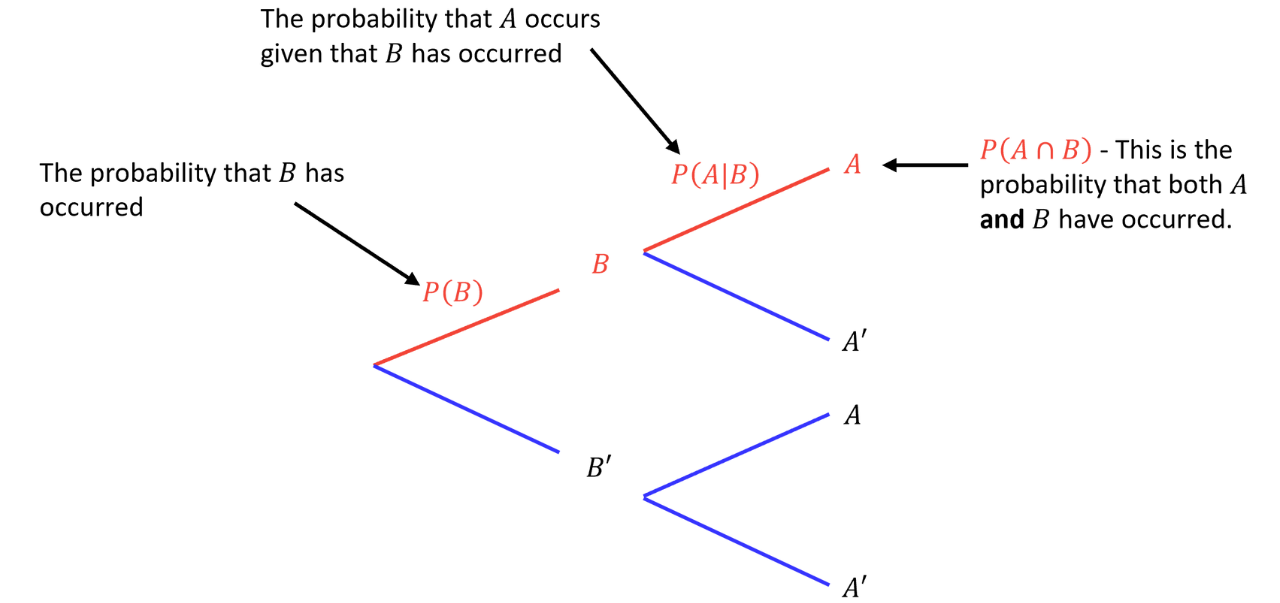
The probability of both events and occurring is denoted by . From the tree diagram, this is found by multiplying the probabilities along the branches.
Rearranging this equation by dividing both sides by , we obtain the formula for conditional probability.
Now, let’s prove the formula for conditional probability using a Venn diagram.
Consider two events and within the sample space . The diagram shows both events and their overlap.
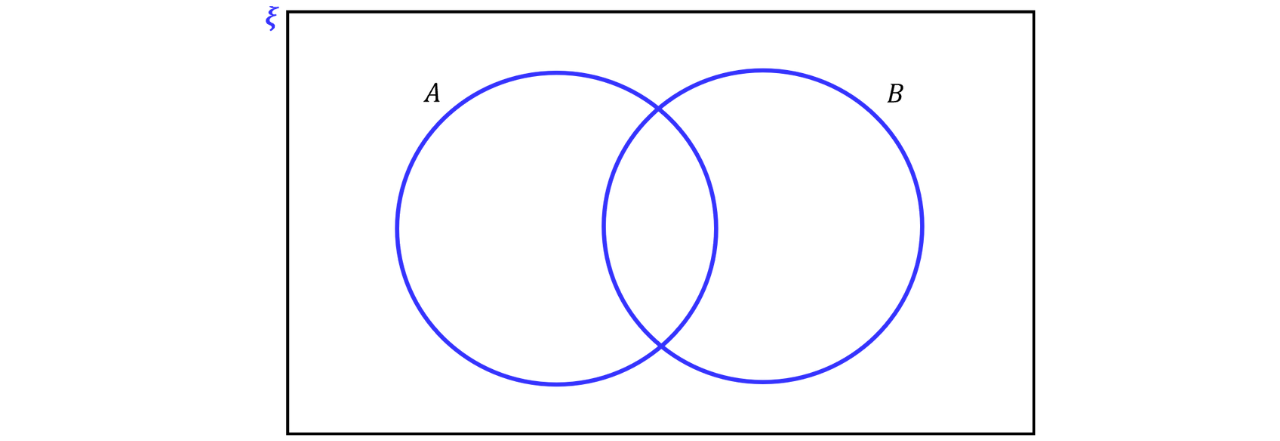
Firstly, since we are conditioning on event , we assume that has already occurred. This means that we’re interested in the region that represents , shown shaded. The shaded region represents the probability .
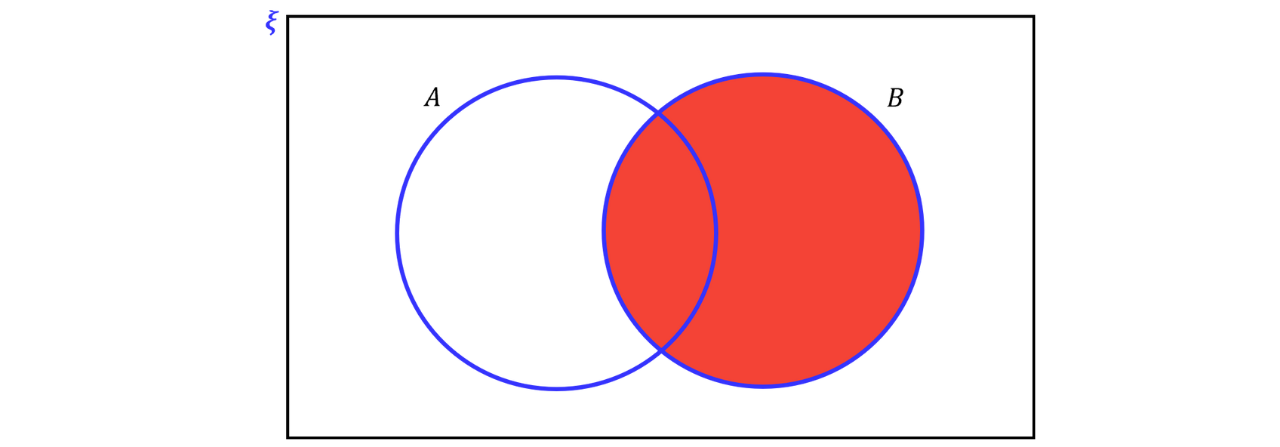
Given that has occurred, we now want to find the probability that will occur. In the Venn diagram, the only region where occurs given that occurs is the intersection of and , denoted by . The shaded overlap represents the probability .
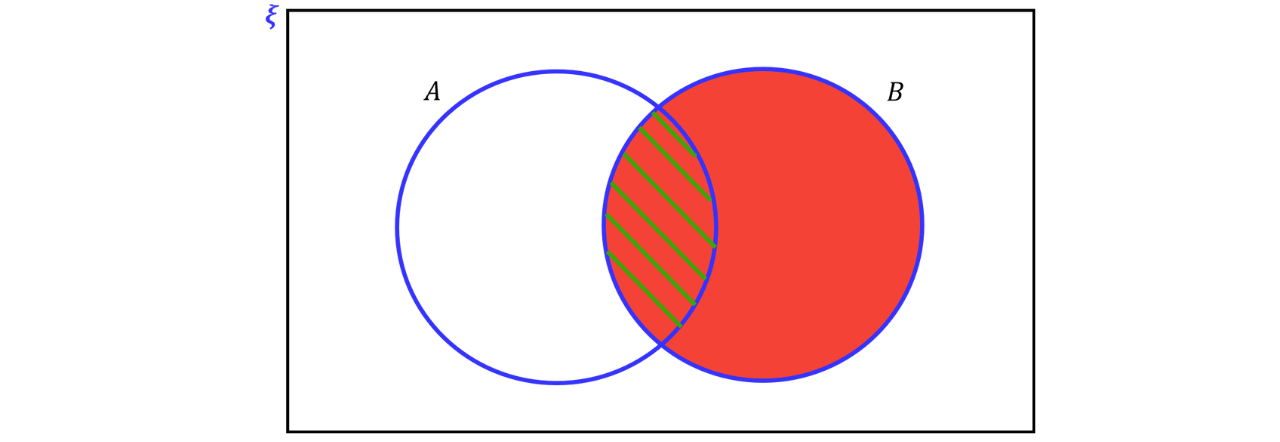
Since conditional probability is the proportion of outcomes in for which also occurs, we divide the probability of the intersection by the probability of .
Conditional Probability and Independent Events
We say that two events and are independent if the occurrence of one doesn’t affect the probability of other occurring.
When the two events are independent,
Suppose we want to find where and are independent events.
Addition Rule
If the two events are neither independent nor mutually exclusive, we can apply the addition rule to find .
When we shade and on a Venn diagram using different strokes, we notice that it looks like the union . However, the intersection has been taken into account twice.
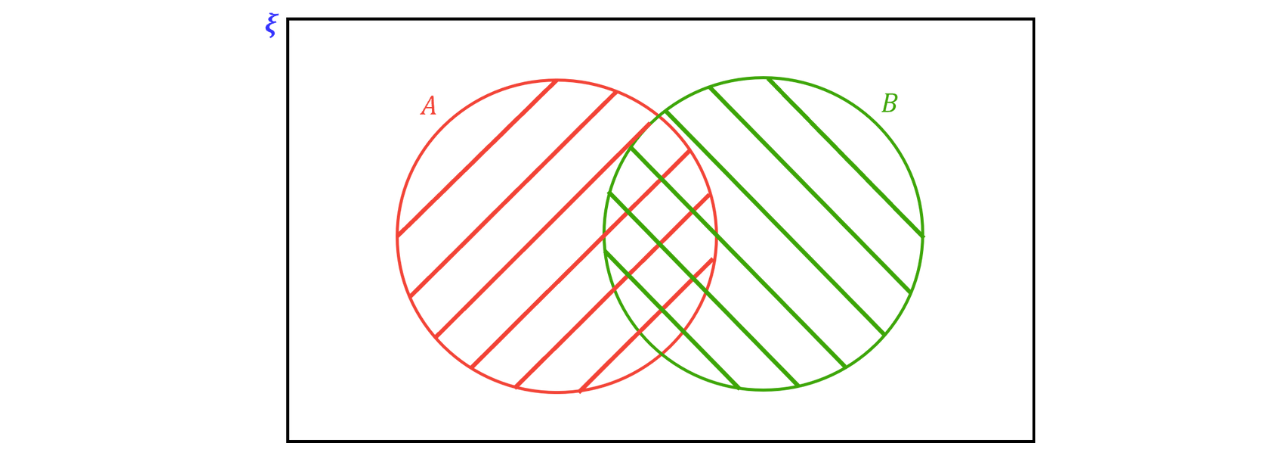
If we remove the intersection once, we will then have . In the following diagram, we have and which will make up .
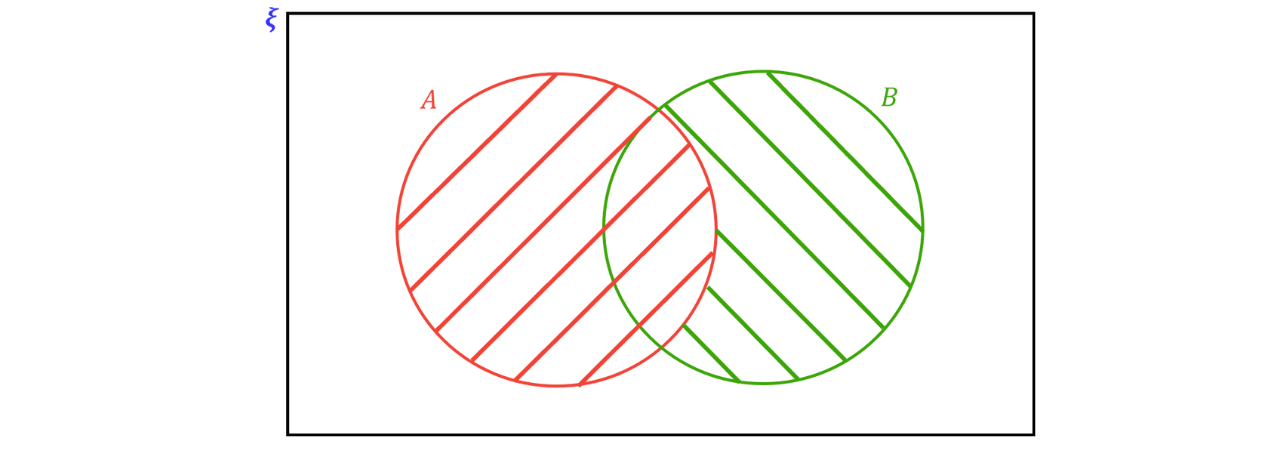
From the Venn diagram, we can deduce the addition rule being
Conditional Probability and Mutually Exclusive Events
We say that two events and are mutually exclusive if they cannot occur at the same time.
When the two events are mutually exclusive,
On a Venn diagram, events and do not intersect.
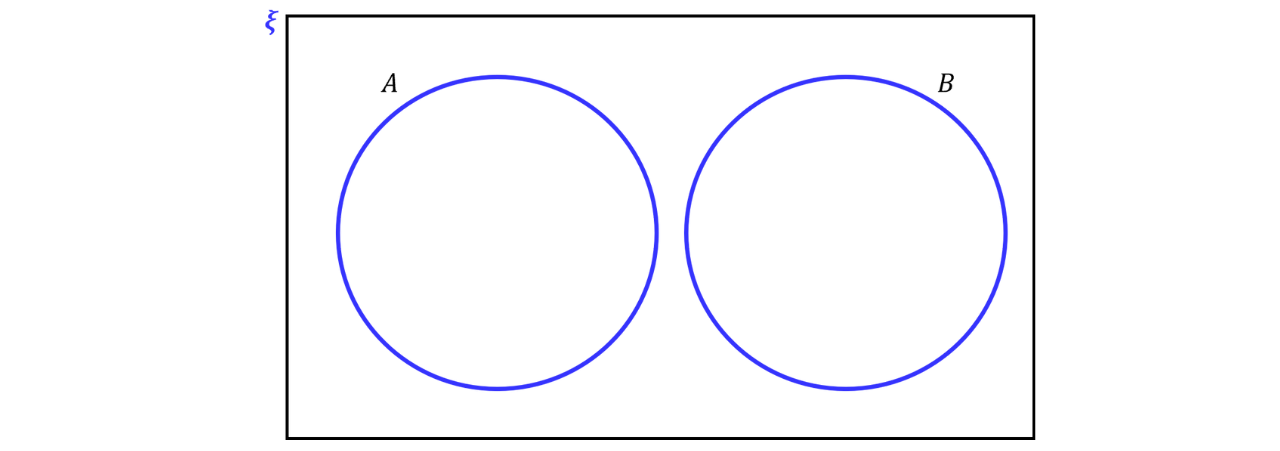
Hence,
Suppose we want to find where and are mutually exclusive.
Summary
Conditional Probability:
Addition Rule:
Independence:
Mutually Exclusive:
Note: whenever you see GIVEN written in a question, immediately write out your general conditional probability statement.
Whenever you see INDEPENDENCE written anywhere, write out your formula for .
Example 1:
and are two events such that , and .
Find
a)
Single Step: Apply the formula for the conditional probability for and rearrange to find .
Multiplying both sides by ,
b)
Single Step: Apply the formula for the conditional probability on .
c)
Single Step: Apply the addition formula.
Note: We can also draw a Venn diagram and then fill out all the information given what we have in the question and what we found in part a) to answer part c) without using the addition formula.
No answer provided.
Example 2:
and are two mutually exclusive events such that and .
a) State the value of and .
Single Step: Recall the properties of mutually exclusive events.
Here is a Venn diagram with the probabilities filled in. As and are mutually exclusive, they are represented by two circles that don’t overlap.
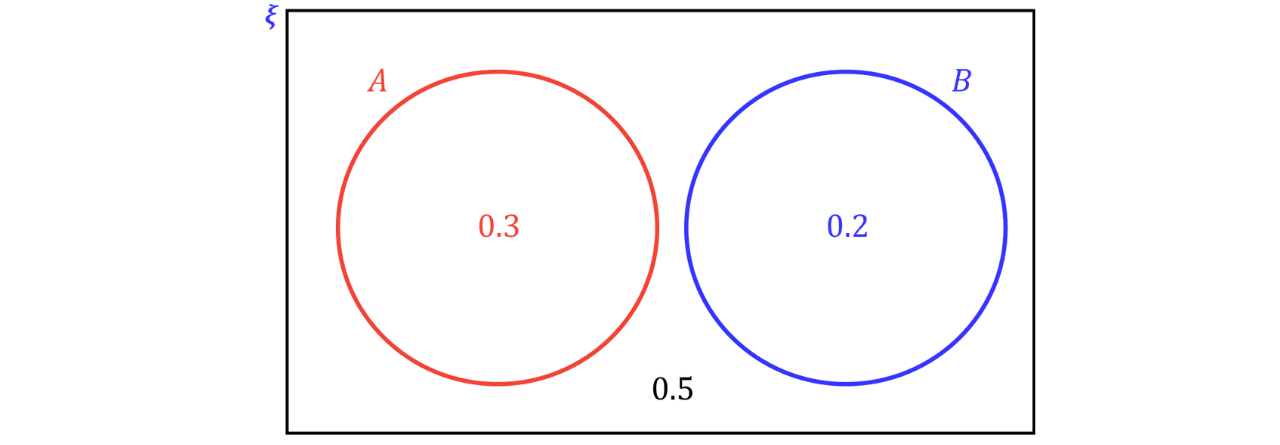
Due to the fact that there is no intersection between and ,
To find , we just sum and .
b) Explain why
Single Step: Apply our knowledge on mutually exclusive events and conditional probability.
We can show this using our definitions.
For ,
For ,
Therefore,
c) Assuming that and are independent instead of mutually exclusive, find
i.
Single Step: Apply the formula for conditional probability for independent events.
Recall that when two events and are independent,
Now, using the formula for conditional probability,
ii.
Step 1: Find when and are independent events.
Step 2: Apply the addition formula to find using the probabilities we have.
No answer provided.
Challenging Question