Introduction to Modulus Functions and Graphs
Neil Trivedi
Teacher

Contents
Modulus Function
The modulus of a value just means “its size” or “its distance from a certain point.” For example, means the distance of from the origin and means the distance of from . The reason we use modulus is because if is smaller than then the value is negative.
Definition:
The modulus of a number simply means taking the positive value.
For example, and . So, if , then or .
Example 1:
If , find:
a)
Single Step: Since the value inside the modulus function is already positive, the modulus can be ignored.
b)
Single Step: Since the value inside the modulus function is negative, there is a need to change sign.
No answer provided.
Example 2:
Write the inequality in the form .
Step 1: Start by rewriting the modulus function to a similar form to the inequality on the left.
We know that if , then or . So, we can say that if , then or . However, since is less than or equal to , will be between and , so, we will be left with.
Step 2: Compare the two inequalities we have and solve the simultaneous equation we obtain:
Therefore, we have .
No answer provided.
Modulus Graphs
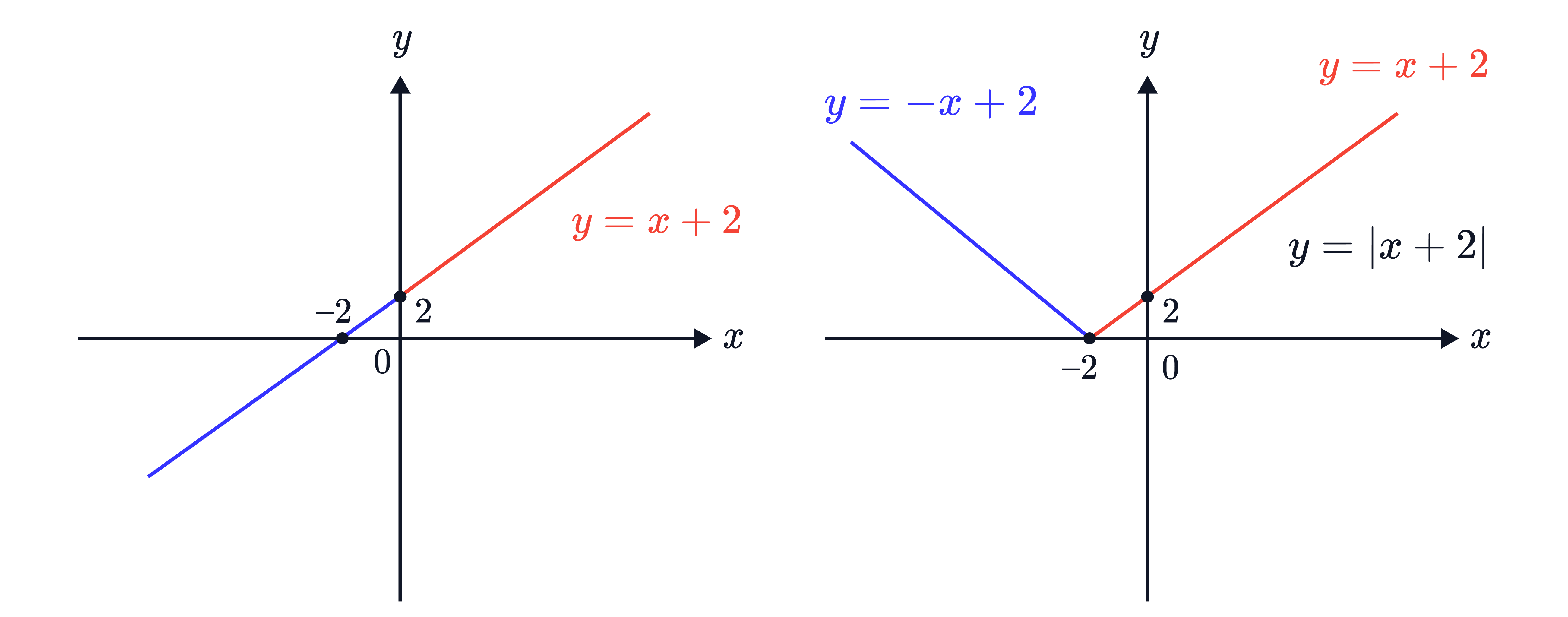
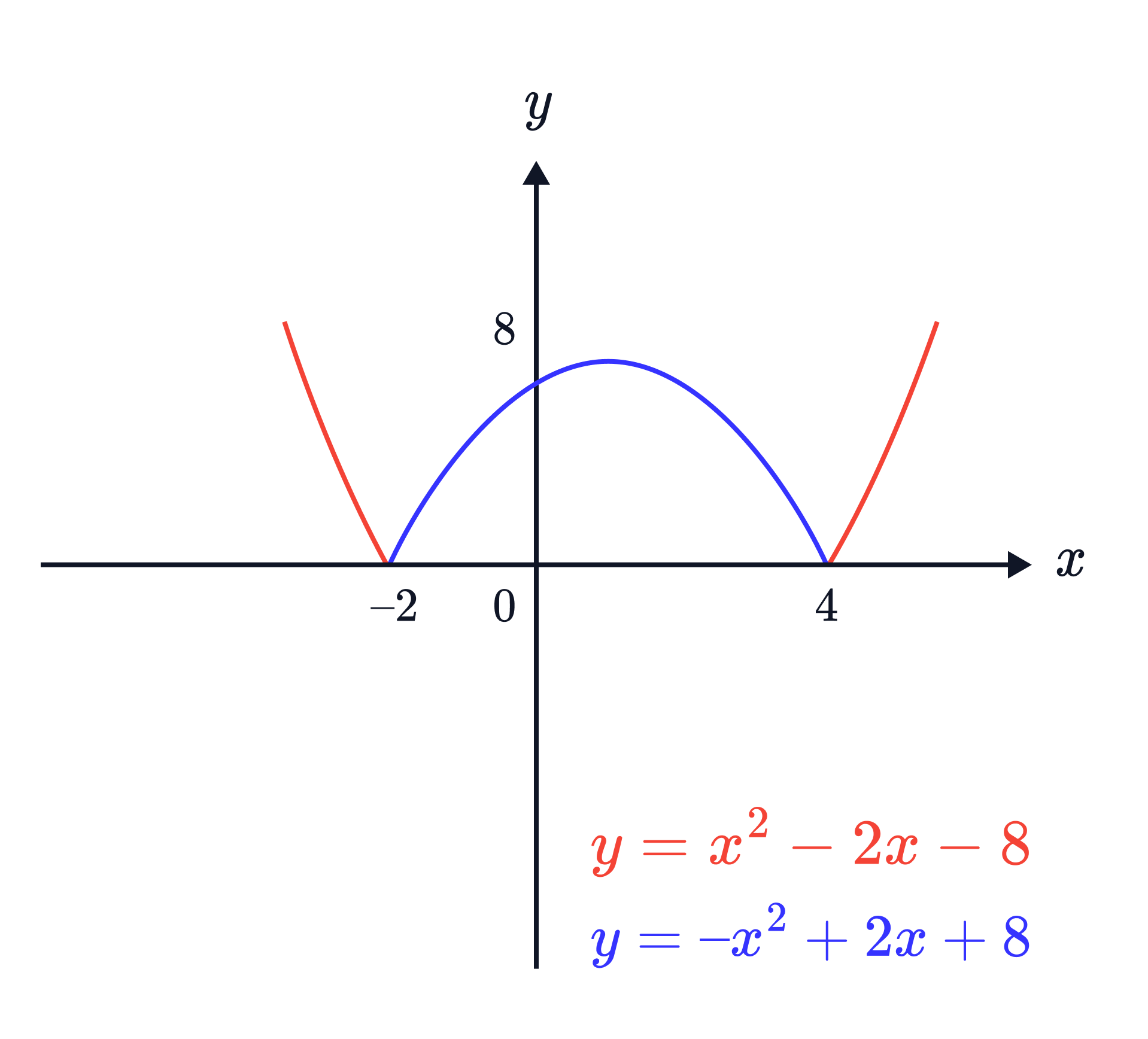
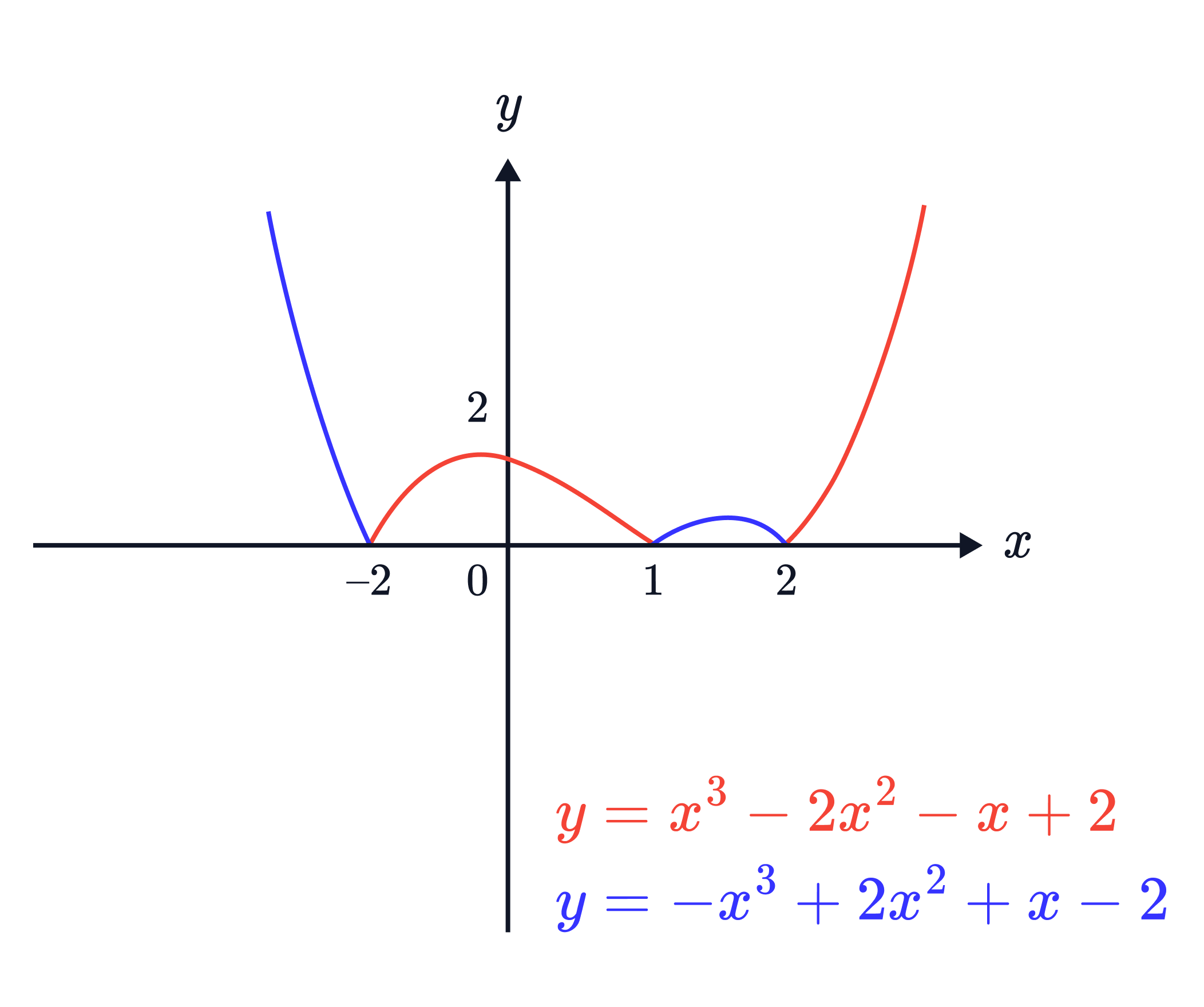
First, we will look at when the modulus is around the whole function, here the form is .
We reflect up any section below the axis.
Here, we will use and as examples.
|
| |||||
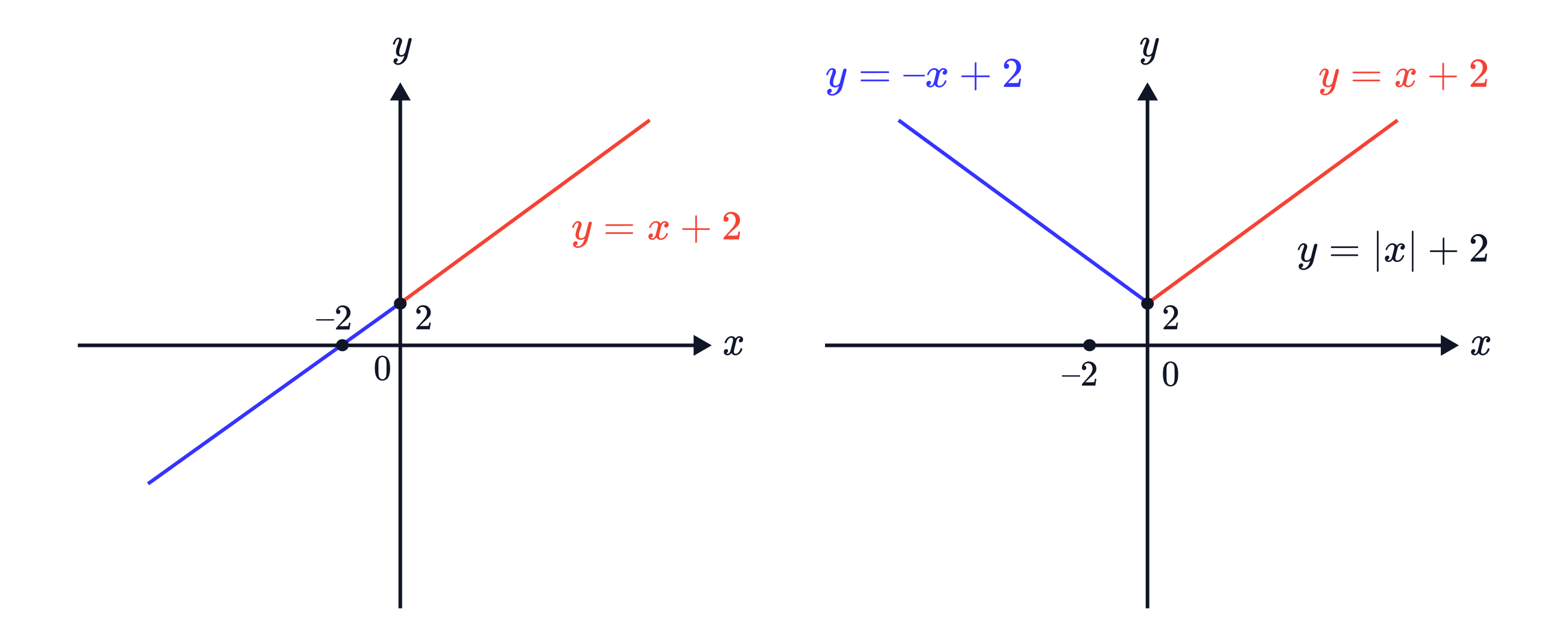
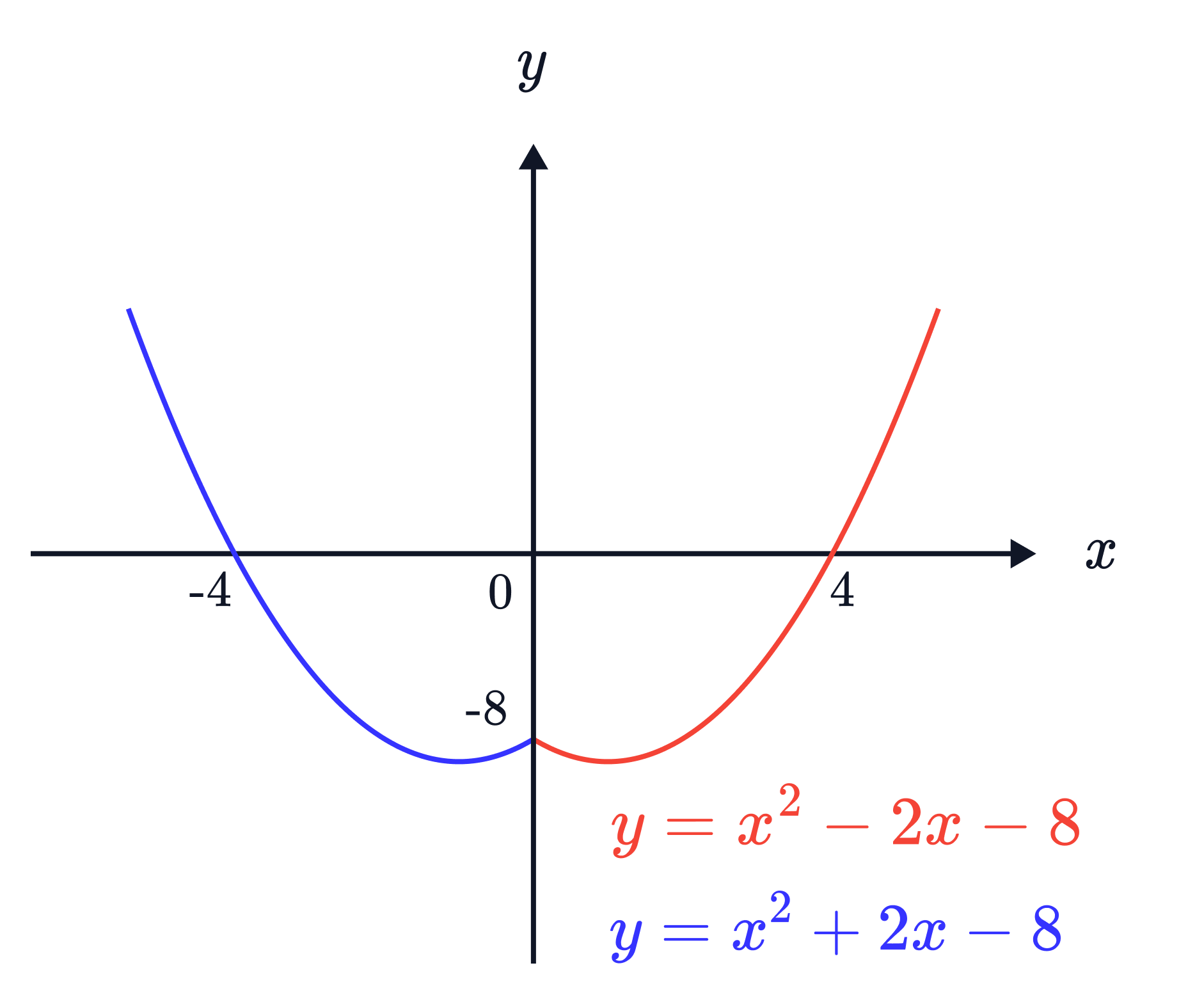
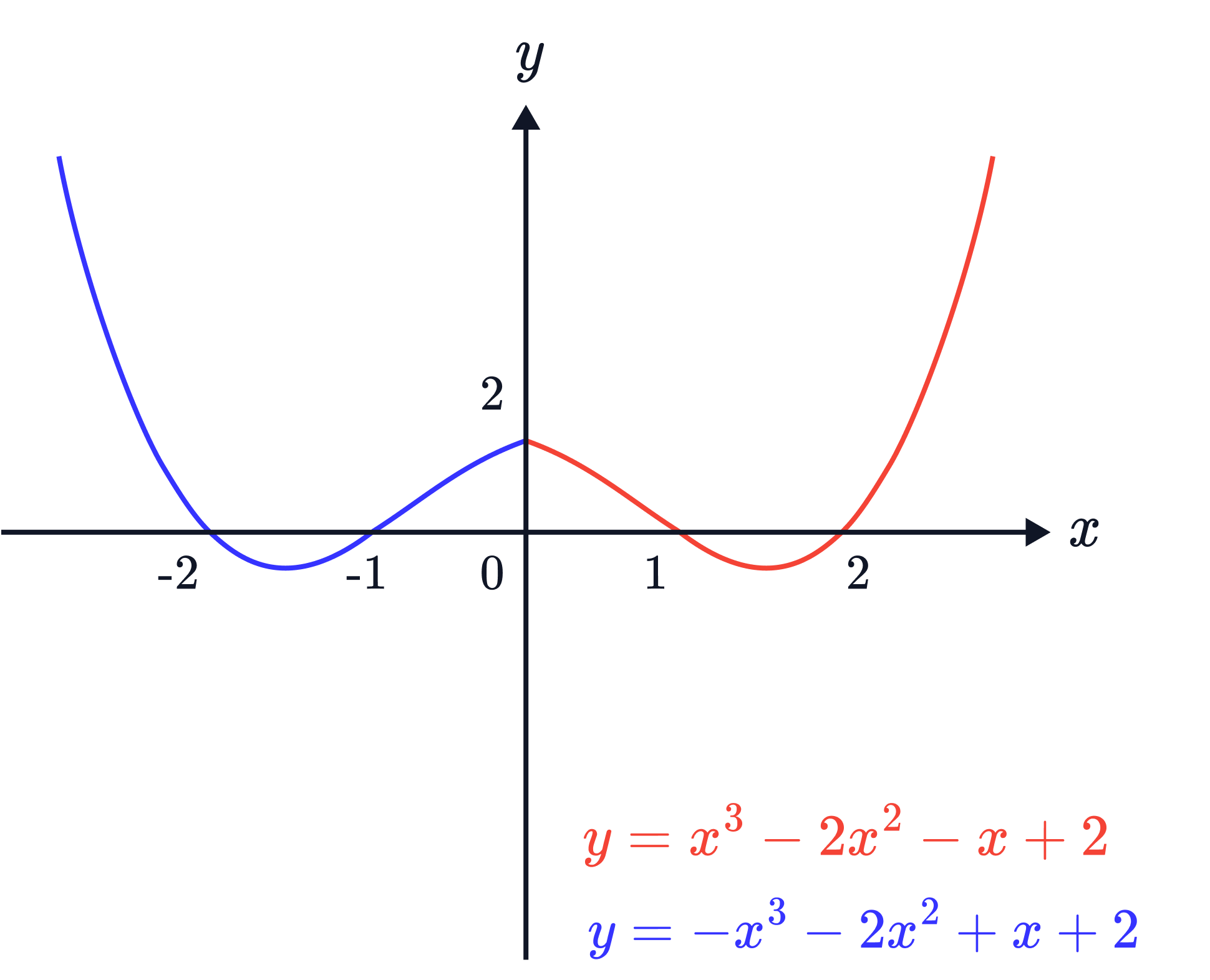
What if the modulus was only around the , which is in the form ?
We reflect any section to the right of the axis to the left.
Here, we will use and as examples.
|
| |||||
Modulus Graphs in a Higher Degree
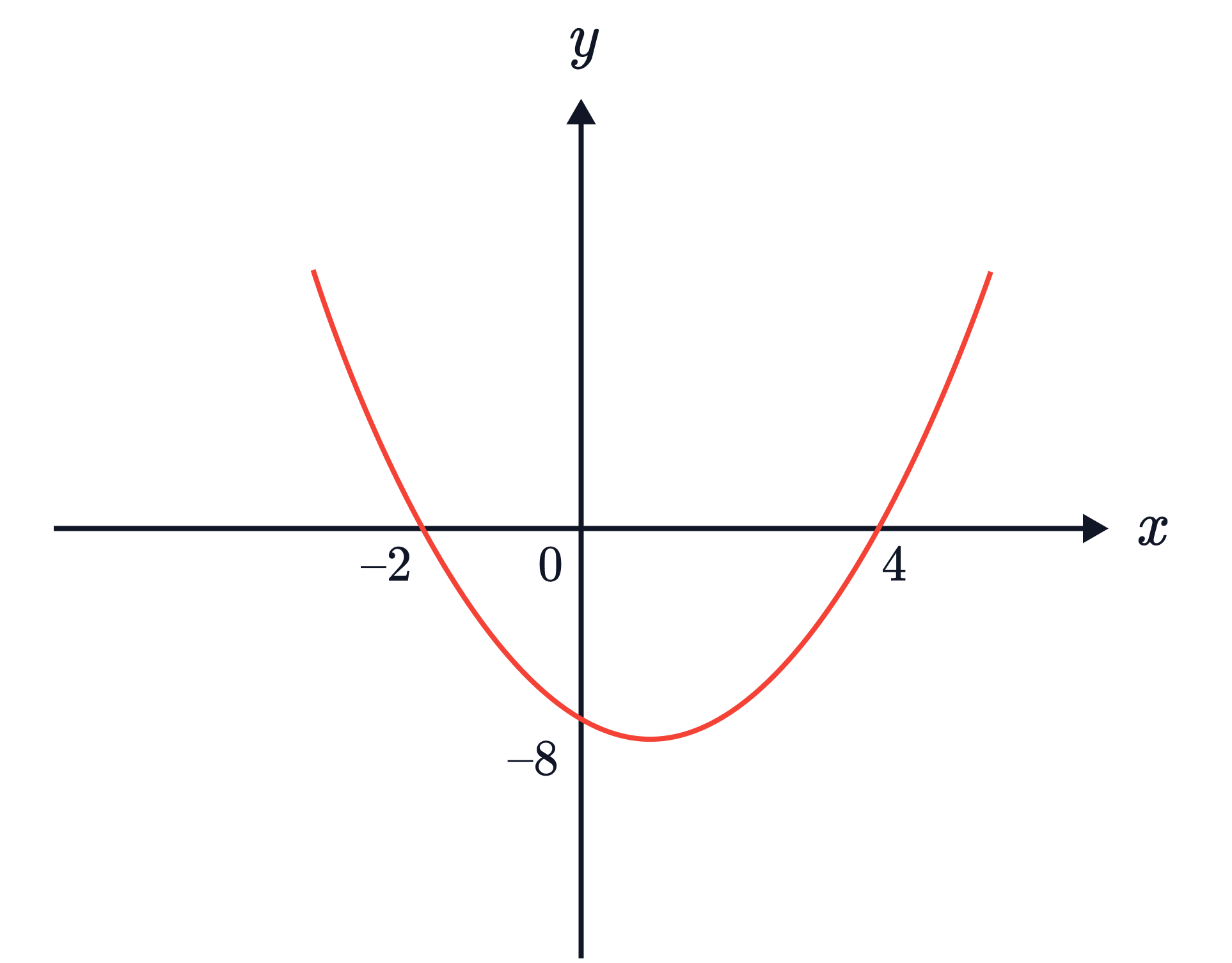
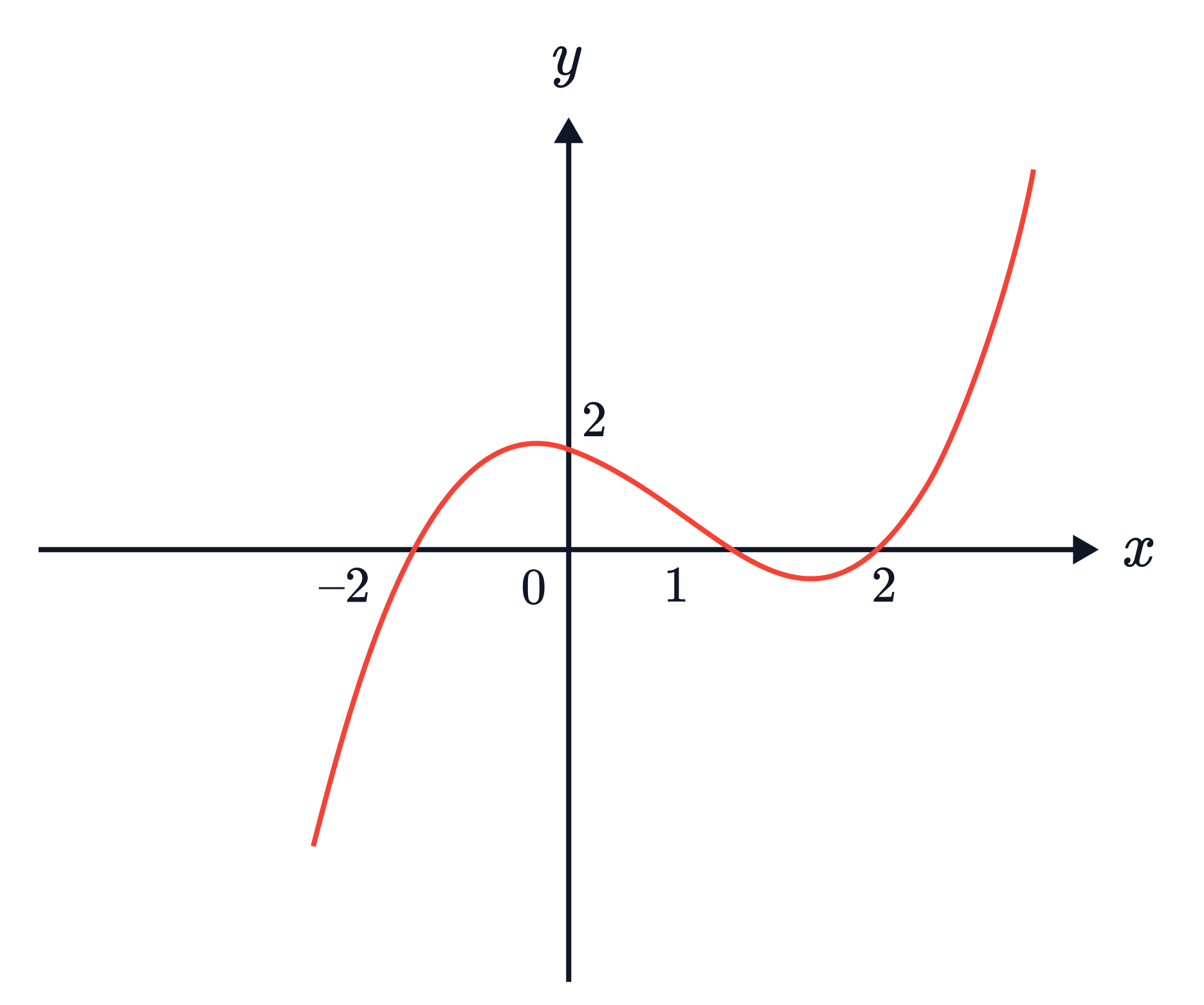
Even if the function is in a higher degree, we still do the same!
Functions |
| |
|
| |
|
| |
|
|
Practice Questions