Triple Science Only - Speciation
Laura Armstrong & Joe Wolfensohn
Teachers


Recall Questions
This topic requires prior knowledge of evolution through natural selection and the definition of a species.
What is a species?
A species is a group of organisms that interbreed to produce fertile offspring.
What is natural selection?
Natural selection is the process where individuals with advantageous traits are more likely to survive, reproduce, and pass on their genes.
Who published the theory of evolution by natural selection?
Charles Darwin.
Topic Explainer Video
Check out this @JoeDoesBiology video that explains speciation, then read the study notes. Once you’ve gone through them, don’t forget to try the practice questions!
What is Speciation?
Speciation is the process by which new species evolve from existing ones.
To understand speciation, you need to know:
-
A species is a group of organisms that can interbreed and produce fertile offspring.
-
If populations of the same species become separated, they may evolve differently.
-
If they change so much that they can no longer breed together to produce fertile offspring, they have become two different species.
The Steps of Speciation (Due to Geographic Isolation)
-
Isolation
-
A population becomes geographically isolated (e.g. by a mountain range, river, or climate change).
-
This prevents the groups from breeding with each other.
-
Genetic Variation
-
Each population has genetic variation due to mutations.
-
Different Selection Pressures
-
Each environment has different environmental conditions (e.g. food, predators, climate).
-
Individuals with characteristics better suited to each environment are more likely to survive and reproduce (natural selection).
-
Accumulation of Changes
-
Over many generations, small genetic changes build up.
-
Formation of New Species
-
The two groups can no longer breed together to produce fertile offspring.
-
They are now separate species.
Darwin and Wallace’s Contributions
-
Alfred Russel Wallace was a Biologist and explorer.
-
He did much pioneering work on speciation but more evidence over time has led to our current understanding of the theory of speciation.
-
Wallace independently developed the idea of evolution by natural selection, around the same time as Charles Darwin.
-
In 1858, Wallace and Darwin jointly published their ideas on natural selection.
-
This encouraged Darwin to publish his famous book, On the Origin of Species, in 1859.
-
Wallace also studied warning colouration in animals.
What Is Warning Colouration?
Warning colouration refers to the bright and distinctive colours of some animals that serve as a visual signal to predators that they are toxic, distasteful, or dangerous.
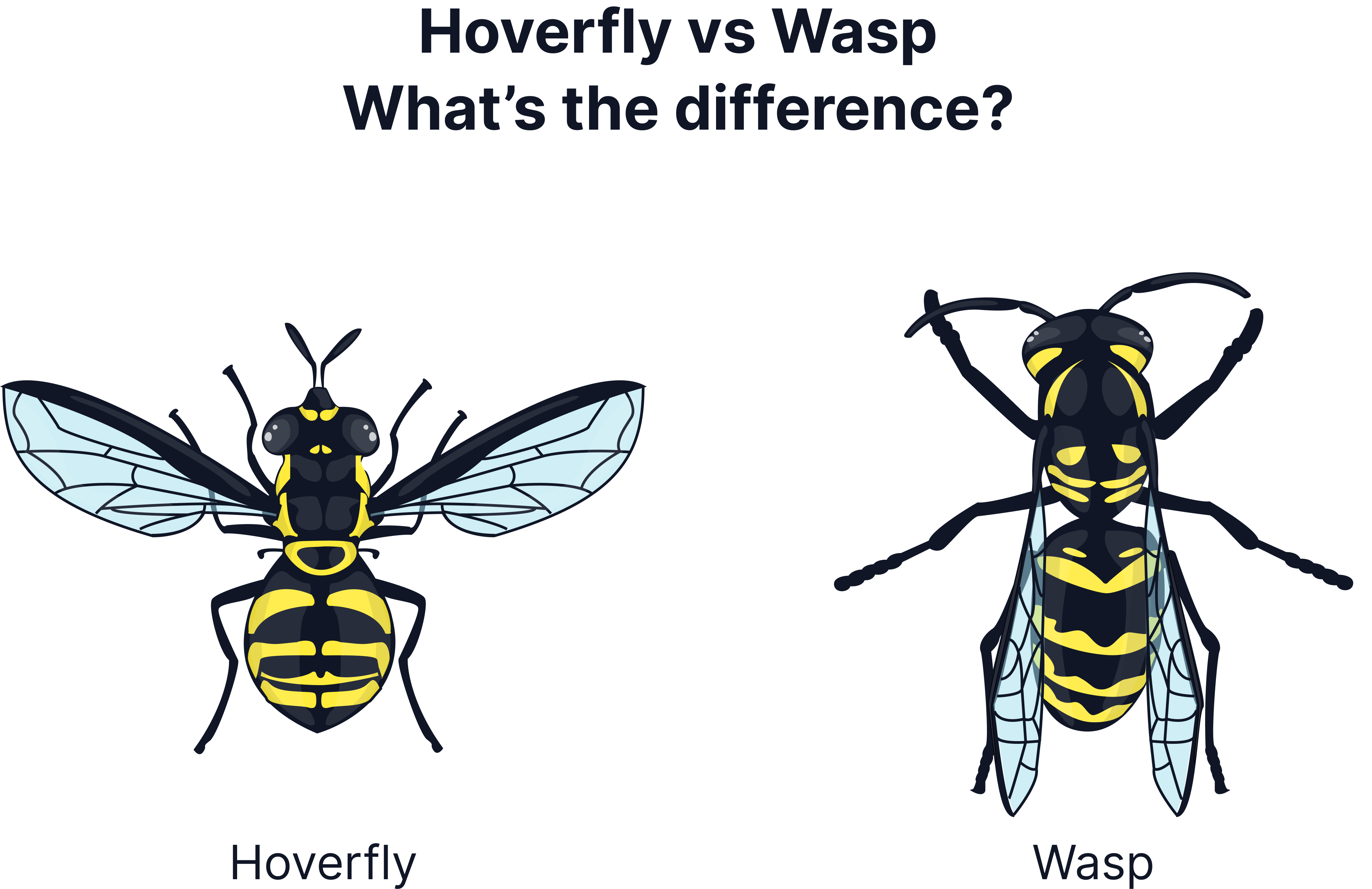
For example, the bright stripes of a wasp or the vivid skin of a poison dart frog warn predators to stay away.
Bright colours in certain species serve as signals to predators of their poisonous qualities.
These colours evolve through natural selection, because individuals that are more easily recognised and avoided by predators are more likely to survive and reproduce.
Harmless species may evolve to mimic these warning colours (mimicry), gaining protection by resembling dangerous species. For example, hoverflies mimic wasps. They have the same yellow and black stripey patterning. Other animals may mistake them for a wasp and think they will be able to sting them. This helps the hoverfly to avoid being eaten by predators.
Key Terms
-
Speciation – The formation of new species from an existing species.
-
Isolation – When populations are separated and cannot breed with each other.
-
Natural selection – The process where better-adapted organisms are more likely to survive and reproduce.
No answer provided.
Exam Tip
- Rember the two populations need to be separated from each other, this could be because of a river, mountain range or even a road.
No answer provided.
Practice Question
Q: A population of toads becomes separated by a large river. Describe how these toads may become 2 different species. (6 marks)
-
Each population becomes isolated, due to the river.
-
Each group experiences different environmental conditions.
-
Genetic variation exists within each group due to mutations.
-
Natural selection favours different characteristics in each environment.
-
Over time, the populations accumulate different genetic changes.
-
Eventually, they can no longer breed together to produce fertile offspring and are now separate species.
More Practice
Try to answer the practice question from the TikTok video on your own, then watch the video to see how well you did!